


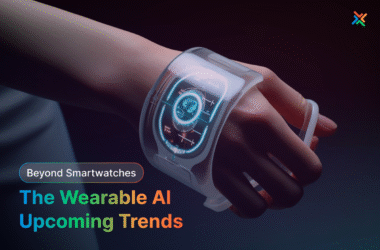


The COVID-19 pandemic completely reshaped the healthcare landscape, prompting the rise of innovative healthcare startups. These businesses have found unique solutions to address issues such as remote patient care, mental health, and medical supply shortages. The pandemic accelerated the adoption of telemedicine, digital health platforms, and AI in diagnostics, allowing healthcare startups to thrive in a new digital-first environment.
Healthcare 2.0
The COVID-19 pandemic radically transformed the healthcare landscape, acting as a catalyst for a wave of healthcare startups that have revolutionized how care is delivered and managed. With lockdowns, social distancing, and an overwhelmed healthcare system, digital health solutions quickly gained prominence. Telemedicine platforms, virtual healthcare consultations, and remote patient monitoring systems became essential tools to connect patients with doctors, ensuring continuity of care despite physical barriers. The pandemic exposed the fragility of traditional healthcare systems and the need for innovative, scalable solutions.
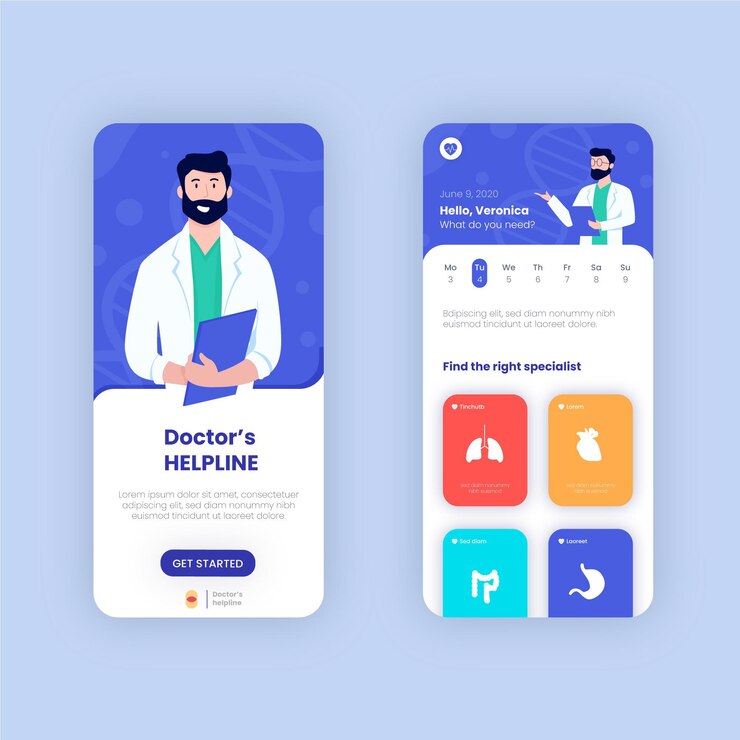
During the pandemic, several healthcare startups found success by addressing gaps in care, particularly in mental health and access to medical resources. Platforms offering virtual mental health counseling, such as BetterHelp, surged in popularity, helping individuals manage stress, anxiety, and depression caused by the crisis.
Additionally, AI-driven health apps and wearables saw an uptick as people became more proactive in managing their health at home. Startups like Livongo and Virta Health used AI to offer personalized health solutions, tracking everything from diabetes to chronic conditions, and fostering a more data-driven, preventative approach to healthcare.
COVID has proven that healthcare can no longer be delivered in traditional ways. The future is digital.
Praveen,Oreol group.
During the pandemic, several healthcare startups found success by addressing gaps in care, particularly in mental health and access to medical resources. Platforms offering virtual mental health counseling, such as BetterHelp, surged in popularity, helping individuals manage stress, anxiety, and depression caused by the crisis.
Additionally, AI-driven health apps and wearables saw an uptick as people became more proactive in managing their health at home. Startups like Livongo and Virta Health used AI to offer personalized health solutions, tracking everything from diabetes to chronic conditions, and fostering a more data-driven, preventative approach to healthcare.

The long-term effects of COVID-19 continue to shape the healthcare startup ecosystem. As the world adapts to a new normal, healthcare startups are expected to keep thriving, particularly those focused on telehealth, digital wellness, and AI-based diagnostics. Investors are now more inclined to back startups that can offer scalable, accessible solutions, ensuring healthcare is more equitable and less reliant on in-person visits. The rise of these startups has paved the way for a more patient-centric, tech-driven healthcare system that is here to stay.
Wrap Up
In summary, the COVID-19 pandemic has catalyzed a boom in healthcare startups that are innovating the future of healthcare with a focus on accessibility, convenience, and mental health solutions.
